

Društvena uloga propalog pesnika u emocionalnom kapitalizmu i inflaciji osećanja
Open Door (guest programs in collaboration with KiR partners)
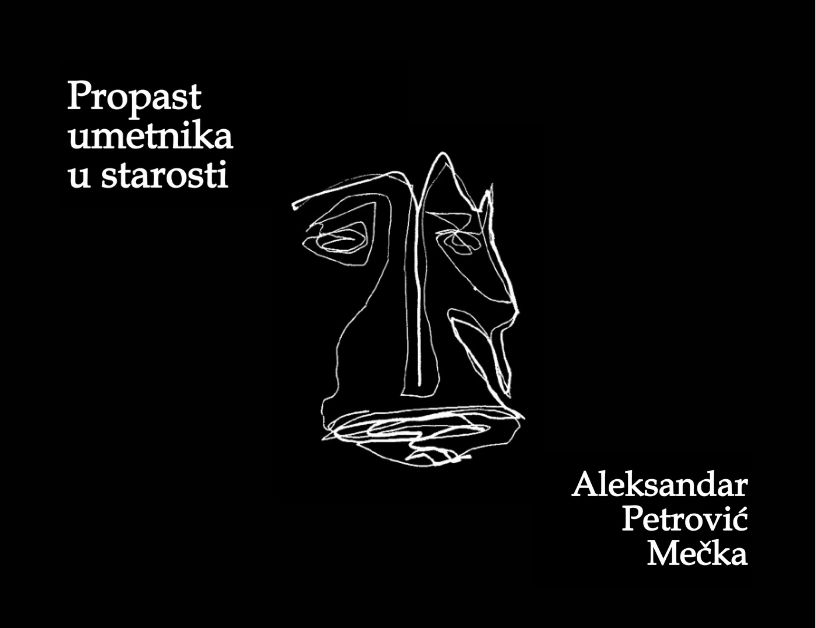
U sredu, 22. aprila u 19 časova, u prostoru Klare i Rose (Šandora Petefija 15), održaće se promocija zbirke „Propast umetnika u starosti“ Aleksandra Petrovića Mečke. Sa autorom razgovara Darko Kovačević.
U ekonomiji, vrednost nečega je često ono čega smo se odrekli da bismo to postigli.
• Formula: $V = (Plata_{alt} \times t) – Prihod_{poezija}$
Ukoliko pesnik ostvaruje prihode iz drugih sektora (ako još nije propao), njegova poezija je samo oportunitetni trošak, ništa drugo do nerazborit izbor. Međutim, što je pesnik „propaliji“ (plata bliže prihodima od poezije), to je oportunitetni trošak manji, te pesnikova ekonomska vrednost $V postaje pozitivna u smislu akumulacije kapitala, gde on, pesnik, kao neotpisan gubitak, predstavlja „investiciju u kulturni višak“ koju društvo još nije priznalo.
Propalog pesnika možemo posmatrati kao neostvarenu opciju (Call Option), „hartiju od vrednosti“. On ima fiksni trošak (vreme i siromaštvo), ali teoretski neograničen „upside“ (posthumna slava).
Njegova vrednost je jednaka vrednosti opcije koja je istekla out-of-the-money. On je matematički dokaz varijanse u umetnosti – bez hiljada propalih pesnika, statistički je nemoguće dobiti jednog genija – Pesnika. Pesnik (sa velikim i najvećim ‘P’) mora dobro odrediti trenutak svog rođenja, i tačno pozicionirati vek, godinu, dan i čas svoje smrti.
Mnogi pesnici propali su i bili propaliteti za života. Ekonomski gledano, pesnik je dugoročna imovina sa odloženim prinosom.
Ako je stopa kojom društvo obezvređuje umetnost visoka, pesnik danas vredi nula. Ali, ako se u budućnosti njegova dela revalorizuju, njegova trenutna vrednost je zapravo akumulirana emocionalna kamata koju će naplatiti buduće generacije.
Ukratko: Propalog pesnika matematički valorizujemo kao visokorizični startup koji nije uspeo da „pivotuje“, ali čiji su „R&D“ (istraživanje i razvoj) troškovi doprineli ekonomskom uzletu grana turizma i ugostiteljstva (krčmi i kafana), poljoprivrede (npr. voćarstva i vinogradarstva) ali i prerađivačke industrije (frakcione destilacije). I koji može, u bližoj ili daljoj budućnosti, sa velikim ‘P’, preći iz alineje socijalnih slučajeva u aleju velikana.
Dana 22. aprila od 19 časova možete, uz minimalan ulog, doći u posed potencijalno neprocenjive zbirke pesama potencijalnog velikana poezije.